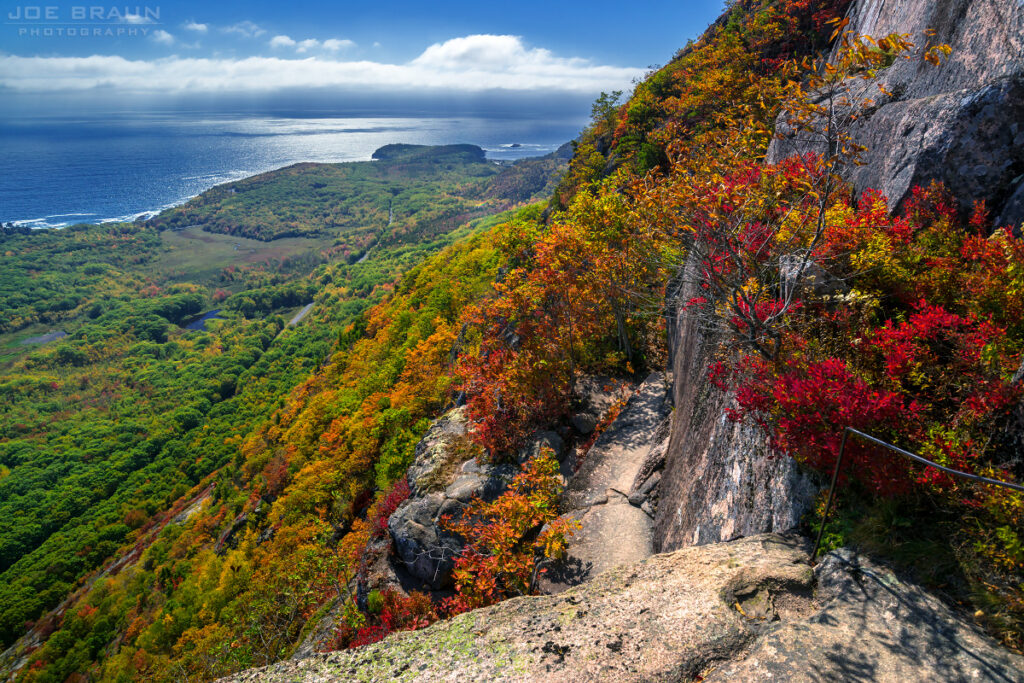
As reported last week, longtime Riverton resident and one-time public personality Arthur “Artie” Aloysius Faraday, 37, was found dead at the bottom of Precipice Trail, the notoriously dangerous trail in Maine’s Acadia National Park.
This unexpected death of an expert climber has raised eyebrows due not only to Faraday’s expertise but also due to the unusually high level of expertise and risk-taking approach of Farady’s “professional amateur” hiking career. It has been well known among local and national hiking associations that “Artie” Faraday not only set records in the State of Maine in his record climb to the top of the Mount Katahdin, but persisted in breaking breaking and re-breaking those records time and again.
The Infamous “Knife’s Edge” on Mount Karahdin
The most breathtaking accomplishment of Faraday’s exploits on Mount Karahdin is his sixteen hikes along the infamous—and quite dangerous—Knife’s Edge. When compared with the Precipice Trail, according to Professor Matthew Longstanding, a professor of climatology at Riverton University, the difference between the two is “akin to a builder of legos jumping to the level of a space engineer.”
It should be noted that the summit of Mount Katahdin is located at the northernmost end of the 2,189.1-mile Appalachian Trail and that it is widely considered the most difficult and dangerous mountain on the famous trail.
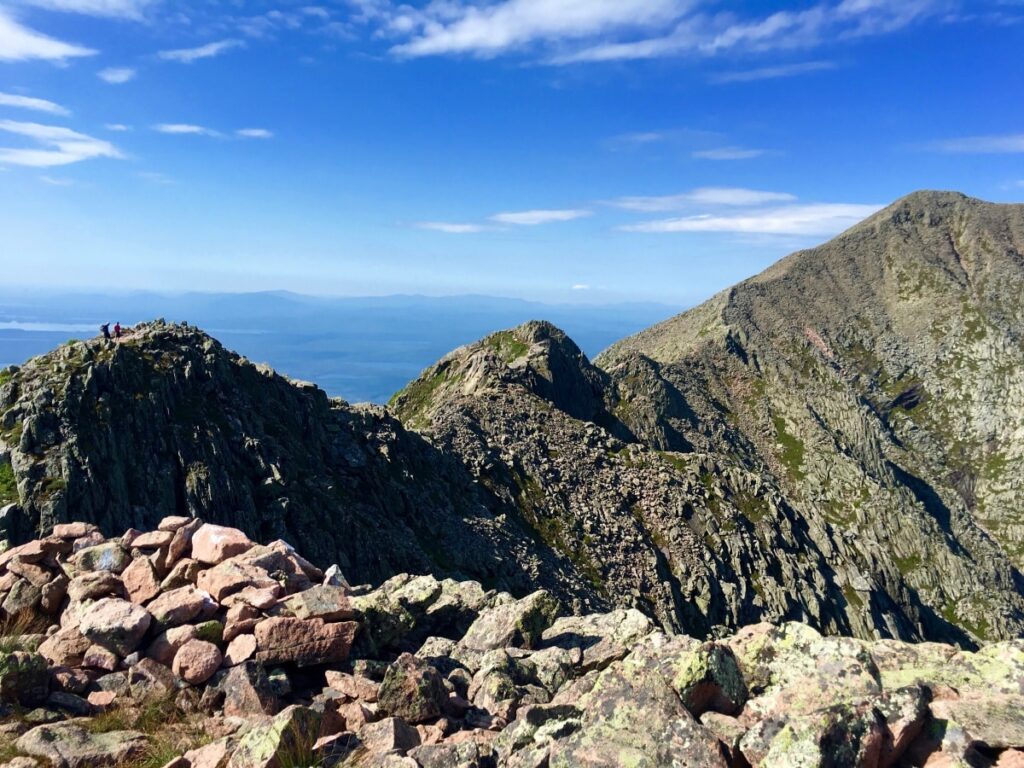
Given the fact that Knife’s Edge Trail is known for its narrow, exposed sections with significant drop-offs (1000 feet down on each side!), the lighter fare known as Precipice Trail does have its steep climbs but with the added convenience and increased safety of iron rungs and ladders. This makes it much easier to climb up the mountains and hills. According to the literature on trails compiled by hiking professionals and expert enthusiasts, both trails offer magnificent views while catering to a varying levels of hiking experience and comfort levels with different heights.
Acadia National Park: a National Treasure That Draws Hikers
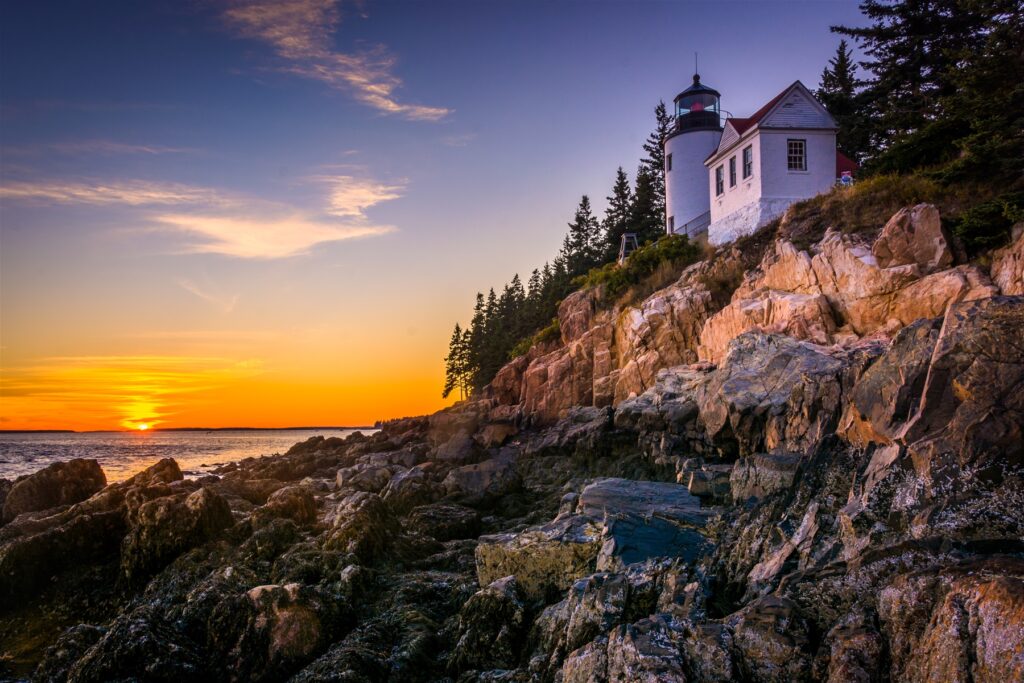
It is not surprising that the expert hiker, Faraday (though self-described as professional amateur) Faraday find his way to Acadia National Park at the end of his life. The park, also known as the Crowned Jewel of the North Atlantic Coast, covers the highest rocky headlands along the Atlantic coastline of the United States. It is one of the top 10 most-visited national parks in the country with over 4 million visitors a year, containing 27 miles of motor roads, 158 miles of hiking trails, 45 miles of carriage roads, and runs along 60 miles of coastline.
“Almost nobody wants to live in the deep Northeast.”
-Geoff Gibson,
Digital Creator, Geography Enthusiast
While most of the park is located on Mount Desert Island, the park also has jurisdiction over land on Schoodic Peninsula, Isle au Haut, and 18 other coastal islands. These land holdings makes it one of the largest and most spread out national parks in the United States. According to weather and climate experts, geologists, and the National Park Service, this general region is one of the most potentially dangerous regions for hiking in camping under adverse weather conditions.
Northeastern United States, Harsh and Uninhabitable for Most
Given the overall harsh climate of the Northeastern States in wintertime, and, in particular, many parts of Maine, it is not surprising that the state is the 13th-least densely populated of the 50 U.S. states. According to digital creator and popular YouTuber Geoff Gibson who studies and shares his findings on geography across many internet platforms, “almost nobody wants to live in the deep Northeast.”
The Northeast region of the United States, which includes the New England states and a few others closer to the East Coast and the Canadian border is one of the least populated regions in the United States, with Maine hosting a population of just over 1,400,000 people. Although there is plenty of arable land and water bodies as well as natural resources like timber, aquatic wildlife, and renewable energy, a great reluctance has long existed for people to settle in the state.
Less Infamous but Still Dangerous “Precipice Hill”
The most notorious parts of the Northeastern region in general and in the state of Maine in particular is the section of Acadia National Park itself known as Precipice Trail, long regarded by both experts and amateur hikers as the most dangerous trail to hike while visiting the national park. In fact, the trail is so dangerous that there is a sign that the trail head that warns “falls on this mountain have resulted in serious injury or death”.
To minimize death and injury, the Rangers of Acadia National Park typically close the Precipice Trail during the park’s heightened visiting months.
Unfortunately, Arthur Aloysius Faraday chose to traverse the perilous trail during this season, resulting in his untimely death. Just a few years ago, the National Park Service reported a notable incident where a hiker fell to his death from a cliffside section. “According to park rangers, the victim, an experienced outdoor enthusiast, likely slipped on a wet ledge during a sudden weather shift”. Attributing such incidents to “overconfidence” or “the underestimating of weather conditions”, Chief Ranger of Acadia National Park Joseph McDevitt has vowed to instate a training course for all first-time visitors to the park and additional workshops for those who sign up to hike the Precipice Trail.
Currently, plans are underway for a granite memorial to honor Faraday’s bravery and record-breaking feats as well as to warn future hikers, both amateur and professional to heed the warnings of the National Park Service.
The Riverton Tribune will report on the upcoming fundraising campaign when we get hold of the information from the organizers.
For more information on hiking safety and first aid protocols during visitor hikes on Mount Kahadin and other rough terrains, please visit the Katahdin Hiking Guide on the Maine Hikes website at https://www.mainehikes.org/hikes/katahdin-guide