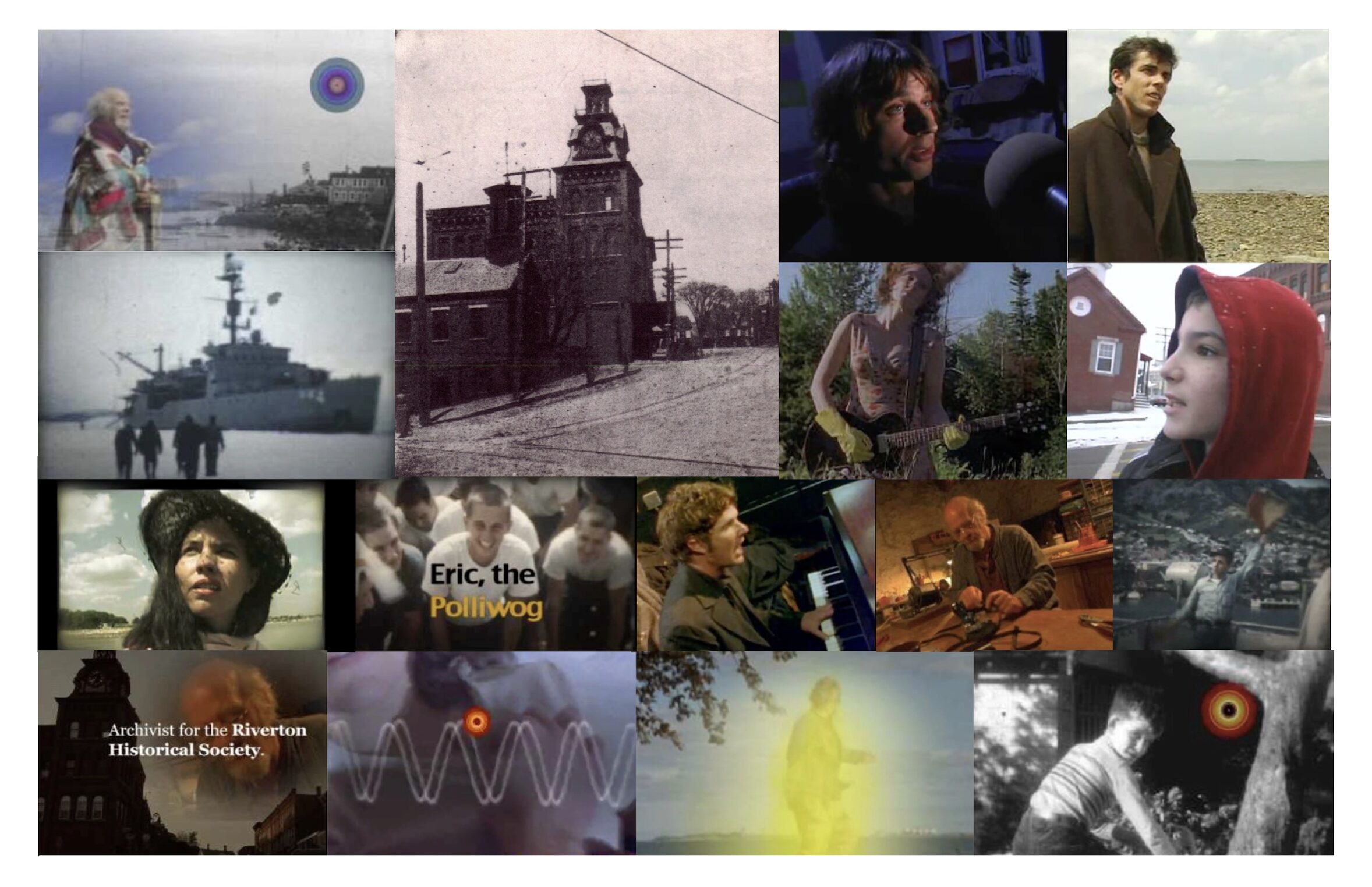
The latest sequence from the “Eric Left Riverton” project has been released on YouTube. Director/Producer Daniel Tripp acknowledges that the “Eric Left Riverton” project was originally set to be a full-length single-viewing documentary film.
But after the team encountered multiple challenges, including the unexpected diagnosis of the film project’s chief subject, Eric Berns, it was decided that the best approach was to release the previously edited project sequences.
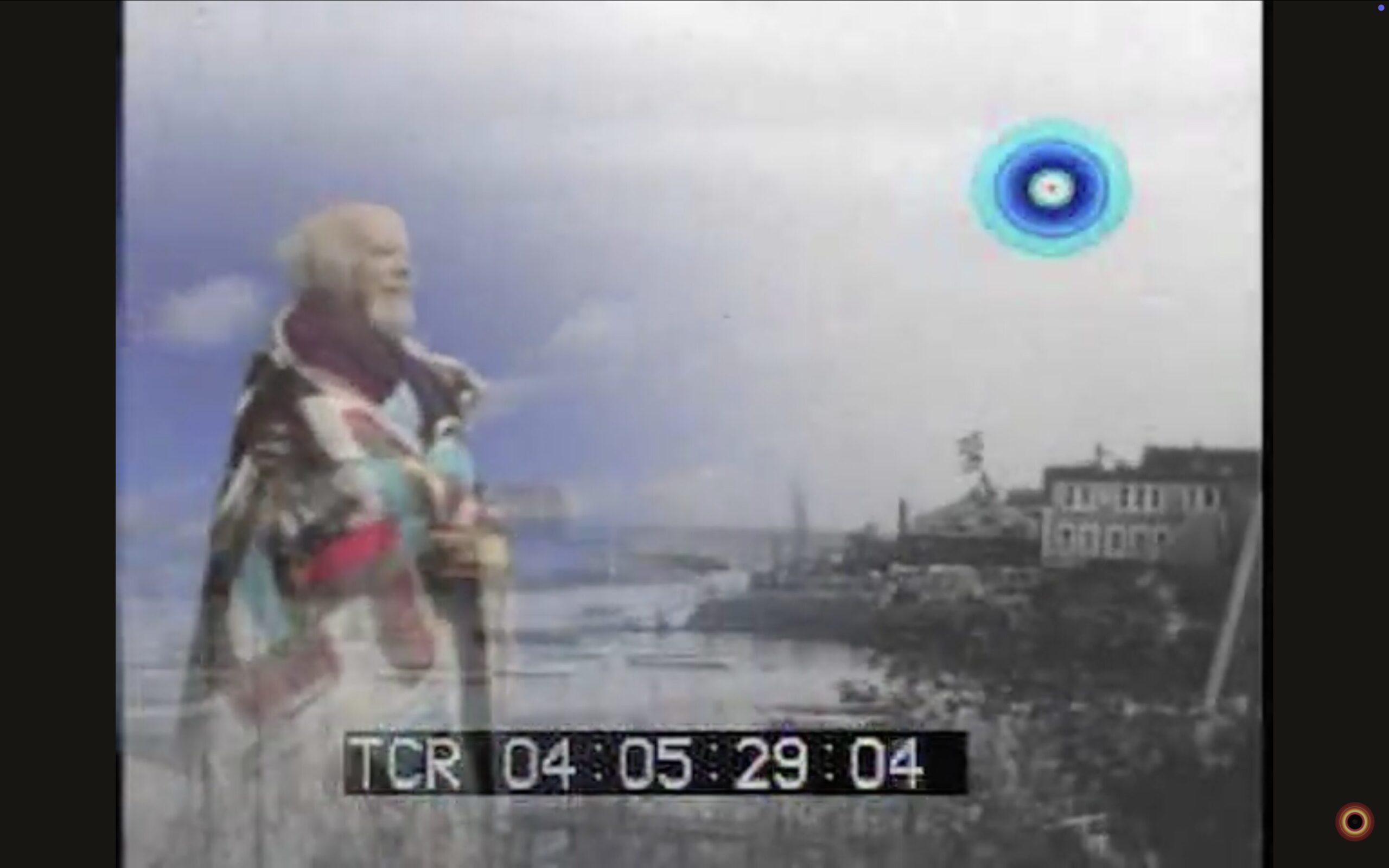
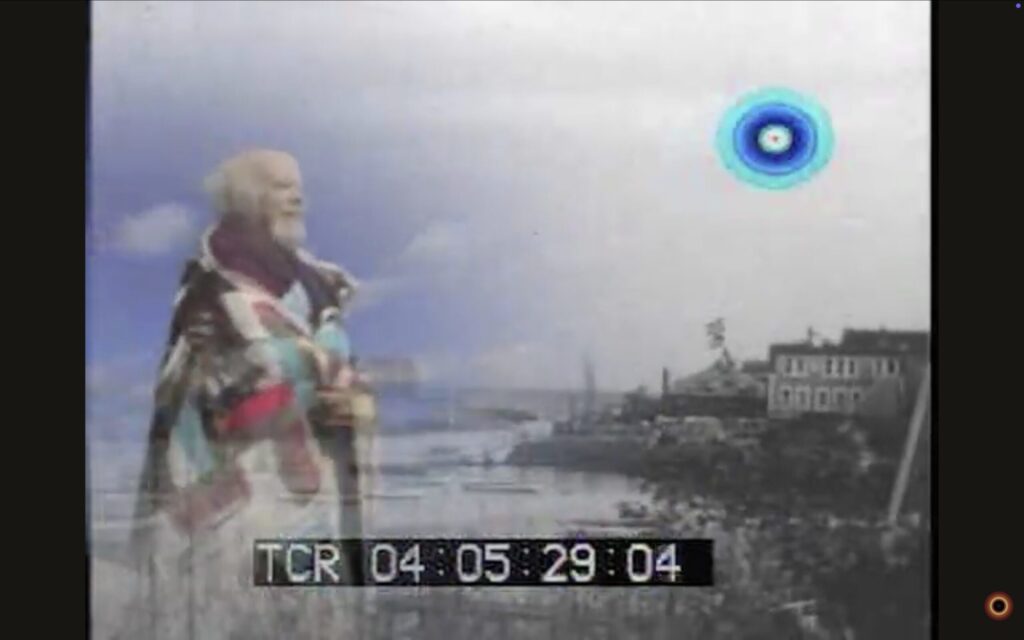
The producers and funders of the project eventually came to make piece with both the format and the quality of the project’s artifacts, including edited sequences that were imported into the digital audio workstation environment with intentional settings at low resolution for picture and full resolution for sound.
The reasoning was simple. On a tight budget, the production crew, including director and producer Daniel Tripp, co-producers Matthew Gander and Pragnus Gray, felt it was prudent to work with the older equipment they already had, including Macbook G4’s with the olde mid-2000’s towers, a few earlier laptops with “good enough” RAM (Random Access Memory), and external hard drives that could hold four tetrabytes of information.
“We bought off more than we could chew during the begging and middle stages of the project,” said Daniel Tripp with a touch of exasperation and surrender. “We had all these film reels to digitize—8mm, super 8mm, 16mm, super 16mm, old photographs digitized in high resolution, and multiple video formats to digitize from, like VHS, 8mm video, digital video, mini-DV, and all the rest. It was cumbersome and there was so much data, that we had to import them all at low res.”
He went on to say that the production crew was at its wit’s end with the file management alone.
“We bought off more than we could chew during the begging and middle stages of the project.”
– Daniel Tripp
Director and co-producer
“Eric Left Riverton”
Interestingly, they had to call upon Eric himself to help with the file management. And during the part of the post-production that included the re-importing of all the edited data into newer editing software, they were working directly with Mr. Berns, when he suddenly died of a heart attack at his home during one of the data transfer sessions.
Ironically, Berns had just slowly come out of a successful chemotherapy treatment for bladder cancer and was expected to live at least another ten years with the cancer in remission, which led him and the film producers to examine the part of his life where he was dealing with an unexpected extension of his life.
The sudden departure of Berns was a significant loss for the project, which had been under way for more than 15 years.
“What’s the point of being upset, when all along we just wanted to get Eric’s message out there and raw attention to his wonderful work as the Chief Archivist of the Riverton Historical Society…?”
-Matthew Gander
Co-producer “Eric Left Riverton”
Assistant Archivist,
Riverton Historical Society
In the meantime, Tripp and co-producer Matthew Gander have decided that rather than abandon this expensive project altogether, it was better to just release and edited rough cuts to get out there, knowing that there would likely be no way to capture any momentum if it stayed on the shelves.
The decision to release “low res episodes”
Matthew Gander, the co-producer of “Eric Left Riverton” and Assistant Archivist of the Riverton Historical Society had much to say about the decision to release the project “as is”. Having worked with Eric Berns for over a decade, Gander formed a deep connection that extended far beyond their mutual love for collecting and archiving human records from the olden days.
According to Gander, the enthusiastic response to this project has been heartening, as the most important thing to the producers and other contributors is the message of Eric Berns’ life and work—not “fancy production values.”
“There is no question that Eric Left Riverton is our own little unfinished symphony.”
Pragnus gray
“We just decided it was best to surrender to our situation,” Gander said in a recent interview with the Tribune. “What’s the point of being upset, when all along we just wanted to get Eric’s message out there and to draw attention to his wonderful work as the Chief Archivist of the Riverton Historical Society—not to mention the fascinating stories he has to tell about his own life as well as the lives of Riverton residents going back centuries.”
Plans are under way to release not only the edited sequences of individual stories but also some of the rough, unedited storage, including footage of Riverton characters whose stories have not yet been archived or told.
The decision to release the rough cuts of individual sequences in their low resolution form was first met with skepticism by many in the Riverton arts community, but over time, people began to come around, citing the charm of the rough-looking unfinished look.
Some likened this approach to Austrian composer Franz Schubert’s “Unfinished Symphony”, which, while remaining unfinished due to the composers untimely death, remains one of the most beloved symphonies in all of classical music.
“There is no question that Eric Left Riverton is our own little unfinished symphony,” said Pragnus Gray, who provided the soundtrack for the series of webisodes. “The sad thing is that we spent so much money shooting original footage on Codachrome Super 16mm film, only to have it released as low-res clips on YouTube.”
But, Matthew Gander has a different outlook.
“The music and sound is as high quality as one can imagine. Every film aficionado knows that a bad picture with great sound is way more high quality than a beautiful picture with bad sound.”
Here’s hoping that this project will catch on with a wider audience. Eric would be proud.